
Halder Schneidtechnik GmbH
 Germany, 88480 Achstetten-Bronnen
Overview
About Halder Schneidtechnik GmbH
Who we are
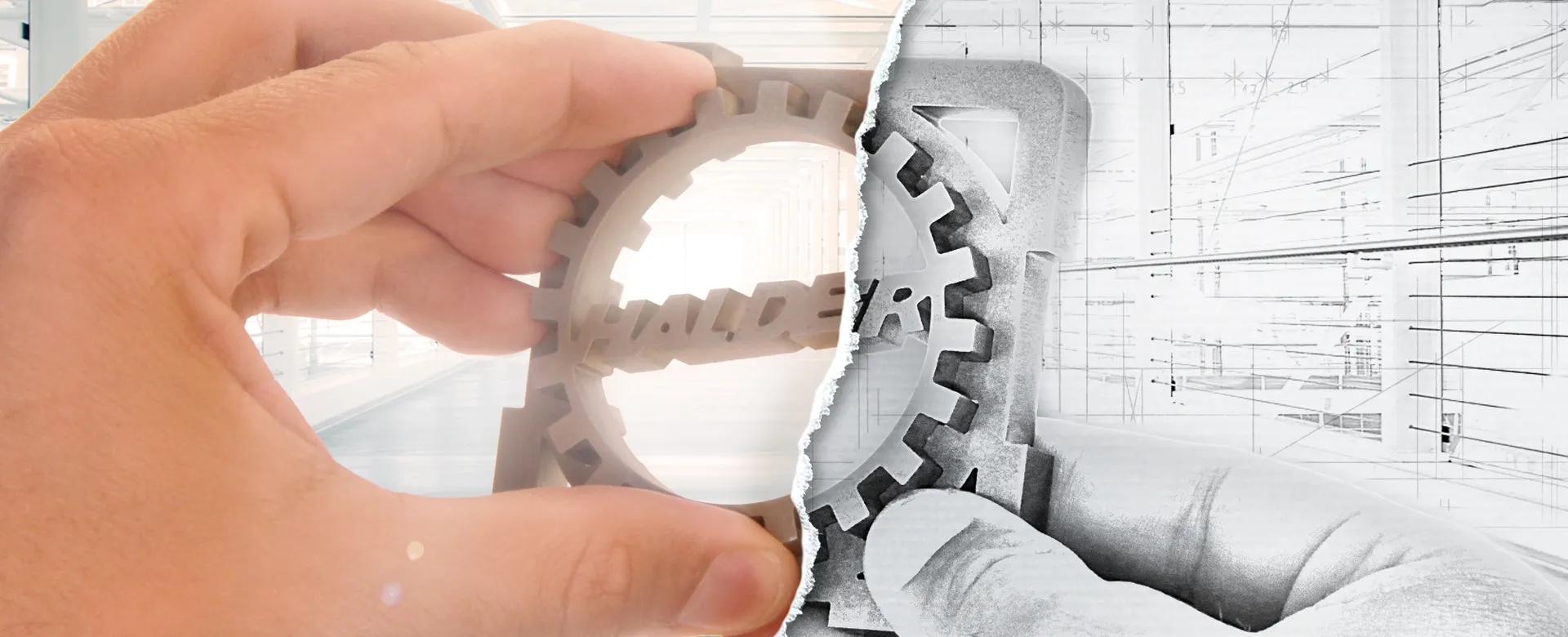
Since establishing the Halder cutting technology in 1998, the service orientation is at the forefront. The high demand for precision blanks of different materials, different material thicknesses and shapes has been used as an opportunity to specialize as a service provider in this field. In this, the company has continuously developed entprechend with the growing demands and technological innovations. True to the set of Pablo Picasso - "If the implementation of a work requires a new technology, then I have been embraced me they" - we have continued to invest in the most innovative technologies and built up expertise to the optimal result for our customers to ensure. This ensures our customers that all requirements are implemented in the best possible. From expert advice to select the right manufacturing process, our specialists in technical sales care exclusively to the needs of our customers. We offer our customers only top quality items or assemblies. To ensure this, we demand of ourselves the highest levels of: - Product Quality - Service quality - Delivery quality (punctuality, adherence to quantity) - Process Quality Translation by Google Translate
1 / 5
2 / 5
3 / 5
4 / 5
5 / 5
Achstetten-Bronnen, Germany
Member since 2006
Employees50 - 100
Certificates1
Turnover5 - 10 Mil.
Year of foundation1998
Competencies
Technologies
Sheet Metal Processing
| Technologies | Lotsize | Length | Width | Weight | Material thickness |
|---|---|---|---|---|---|
Laser cutting 2D | 1–50,000 | 1–3,000 mm | 1–1,500 mm | 0–1,000 kg | 0.5–25 mm |
Bending / folding | 1–5,000 | 5–3,000 mm | — | — | 0.5–12 mm |
Plasma fusion cutting | 1–100 k | 1–6,000 mm | 1–2,000 mm | 0–3,000 kg | 1–35 mm |
Plate straightening | 1–5,000 | — | 5–1,000 mm | — | 5–30 mm |
Welding
| Technologies | Lotsize | Length | Width | Height | Diameter | Weight | Material thickness |
|---|---|---|---|---|---|---|---|
Inert gas shielded arc welding (MIG/MAG) | 1–1,000 | 1–3,000 mm | 1–2,000 mm | 1–1,000 mm | 5–1,000 mm | 0–2,500 kg | 0.5–20 mm |
Robot welding | 100–5,000 | 5–3,000 mm | 5–2,000 mm | 5–1,000 mm | — | 0–1,000 kg | — |
Stud welding | 1–1,000 | — | — | — | — | — | — |
Water jet cutting
| Technologies | Lotsize | Length | Width | Height | Weight | Material thickness |
|---|---|---|---|---|---|---|
Water jet cutting 2D | 1–1,000 | 1–6,000 mm | 1–3,000 mm | — | 0–3,000 kg | 1–150 mm |
Water jet cutting 3D | 1–1,000 | 1–2,000 mm | 1–1,000 mm | 1–500 mm | 0–2,500 kg | 1–150 mm |
Assembly
| Technologies | Weight |
|---|---|
Mechanical assembly | 0–1,000 kg |
Turning
| Technologies | Lotsize | Length | Diameter |
|---|---|---|---|
Full-range turning (including milling) | 1–10,000 | 10–2,000 mm | 10–100 mm |
Assembly Group Manufacturing
| Technologies | Lotsize | Length | Width | Material thickness |
|---|---|---|---|---|
Riveting | 1–5,000 | 5–3,000 mm | 5–1,000 mm | 1–3 mm |
Milling
| Technologies | Lotsize | Length | Width | Height | Weight |
|---|---|---|---|---|---|
Milling | 1–10,000 | 10–1,800 mm | 10–850 mm | 1–1,000 mm | 0–1,000 kg |
HSC milling | 1–10,000 | 5–3,000 mm | 3–1,500 mm | 0.5–12 mm | 0–300 kg |
Finishing
| Technologies | Lotsize | Width | Material thickness |
|---|---|---|---|
Belt grinding | 1–1,000 | 20–1,100 mm | 0.5–10 mm |
Labelling / marking
| Technologies | Lotsize | Length | Width | Height | Diameter |
|---|---|---|---|---|---|
Laser marking / Laser inscription | 1–10,000 | 1–3,000 mm | 1–1,500 mm | 0.1–25 mm | 1–1,500 mm |
Surface Treatment
| Technologies | Lotsize | Length | Width | Height | Diameter | Weight | Material thickness |
|---|---|---|---|---|---|---|---|
Powder coating | 1–10,000 | 10–3,000 mm | 10–1,000 mm | 10–1,000 mm | — | 0–500 kg | — |
Rotofinishing, barrel finishing | 1–100 k | 2–200 mm | 2–100 mm | 2–100 mm | — | — | — |
Sand blasting | 1–1,000 | 10–3,000 mm | 10–1,000 mm | 10–1,000 mm | — | 0–2,000 kg | — |
Galvanizing | 1–3,000 | 1–5,000 mm | 1–2,000 mm | 1–1,000 mm | 1–500 mm | 0–1,000 kg | 1–50 mm |
Materials
Heavy metals
Copper-zinc alloys (brass)Copper and copper alloysZinc and zinc alloysSolder
Light metals
Aluminium and aluminium alloysMagnesium and magnesium alloysTitanium and titanium alloys
Steel
Structural steelCase hardening/tempering steelStainless steel (rust-proof V2A)Stainless steel (rust-proof V4A)Free-cutting/mild steelTool steelSpring steelCold extruding steel
Advanced Materials
Nickel alloy (Inconel, Monel, Hastelloy)CarbideSilicium
Plastics/synthetic materials
ThermoplasticsAcrylic (PMMA)High performance plasticThermosetsElastomersSilocone (LSR)Natural and vulcanised rubberGlass fibre-reinforced plasticCarbon fibre-reinforced plasticParticle reinforced composite materialsWood-Plastic-Composites (WPC)Natural Fibre Composites (NFC)
Natural materials
Wood/timberRock
Cast metals
Cast steelCast iron
Non-metal inorganic materials
CeramicsGlassConcreteCast mineralsGraphite
Precious metals
SilverGoldPlatinumOther precious metals
Industries
Mining and tunnel engineeringAutomation and control engineeringShipbuilding industryFittings engineeringPlant engineering and constructionHousehold appliance industryMedical technologyPower generation and transmission industryChemical industryMachine tool manufacturingInformation technology (hardware)Office machinery and suppliesFurniture industryRailway and rail vehicles industryAutomotive and vehicle constructionAerospace and aviation industryClean room technologySpecial purpose machinery manufacturingDrive and gear engineeringApparatus engineeringBuilding, agricultural and forestry machinery manufacturingConstruction and architectural suppliesLighting industryBoiler, container and tank construction Telecommunication industryMechanical engineeringPackaging industryPaper and printing machinery industryPrecision engineering, mechatronics and opticsElectrical industryMeasurement and control technique, laboratory equipmentAir conditioning, refrigeration and ventilation industryHydraulic and pneumatic industry
Certificates
ISO 9001:2015
Parts & Machines
Parts (7)
1 / 7
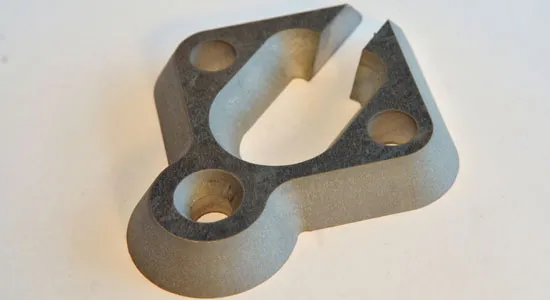
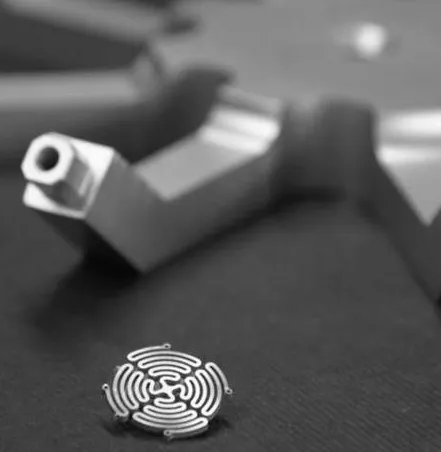
Produktionsbeispiel aus Leichtmetall - 5-Achs-Schneiden
DescriptionAluminium, Titan und Magnesium lassen sich hervorragend abrasivstrahlschneiden.
Wir schneiden Leichtmetalle bis 6 mm meist mit der Lasertechnik, da dies im Dünnblechbereich oft das wirtschaftlichere Verfahren ist. Bei größeren Materialdicken und bei diffizilen Geometrien tritt das Abrasivstrahlschneiden in den Vordergrund. Das “kalte” Verfahren erlaubt präzises Schneiden bis ca. 80 mm.
Darüber hinaus ist ein Trennen von Leichtmetallen bis über 150 mm Materialdicke möglich.
2 / 7
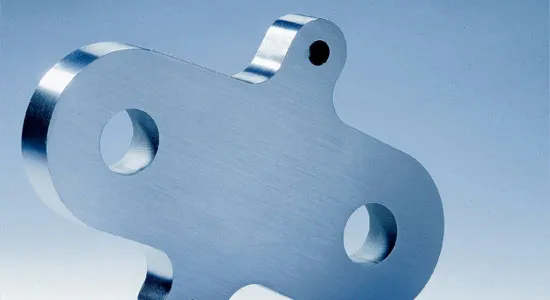
Produktionsbeispiel aus Edelstahl
DescriptionWir schneiden Edelstähle bis 20 mm meist mit der Lasertechnik, da dies im Dünnblechbereich oft das wirtschaftlichere Verfahren ist. Bei größeren Materialdicken und bei schwierigen Geometrien tritt das Abrasivstrahlschneiden in den Vordergrund. Das “kalte” Verfahren erlaubt präzises Schneiden bis ca. 60 mm.
Darüber hinaus ist ein Trennen von sämtlichen Edelstählen bis über 150 mm Materialdicke möglich.
3 / 7
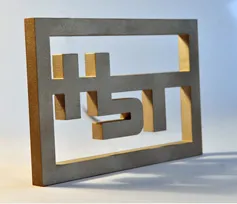
Produktionsbeispiel aus Buntmetall
DescriptionBuntmetalle werden ausnahmslos abrasivstrahlgeschnitten. Kupfer, Messing und Bronze lassen sich hervorragend abrasivstrahlschneiden. Das kalte Verfahren erlaubt präzises Schneiden bis ca. 60 mm.
Darüber hinaus ist ein Trennen von Leichtmetallen bis über 150 mm Materialdicke möglich.
4 / 7
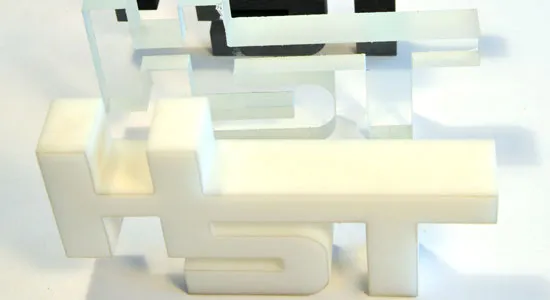
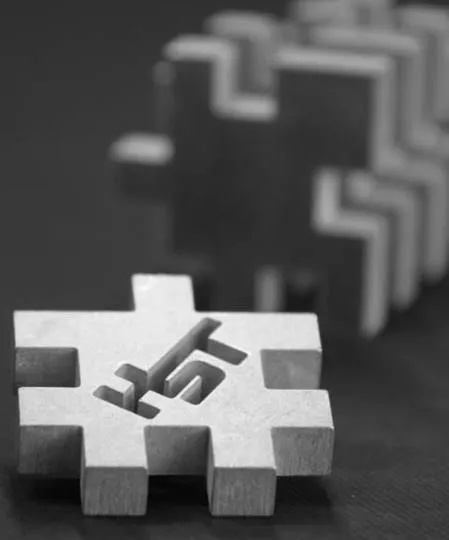
Produktionsbeispiel aus Kunststoff
DescriptionKunststoffe werden ausnahmslos abrasivstrahlgeschnitten. Da bei diesem Verfahren keinerlei Erwärmung des Materials entsteht, sind sämtliche Kunststoffe hervorragend zum Schneiden geeignet.
Das kalte Verfahren erlaubt präzises Schneiden von Kunststoffen bis ca. 80 mm Dicke. Darüber hinaus ist ein Trennen von Kunststoffen bis über 200 mm Materialdicke möglich. Auch für Composite- oder so genannte Sandwich-Materialien ist der Wasser- oder der Abrasivstrahl das ideale Werkzeug
5 / 7

Produktionsbeispiel aus Glas
DescriptionEinfache Floatglasscheiben oder dickstes Panzerglas, alle Geometrien sind möglich.
Da beim Abrasivstrahlschneiden keinerlei Querkräfte entstehen, lässt sich auch aus dem äußerst zerbrechlichen Werkstoff jede beliebige Kontur ausschneiden. Der Abrasivstrahl erlaubt präzises Schneiden von Glas bis ca. 80 mm.
Darüber hinaus ist ein Trennen von Glas bis über 150 mm Materialdicke möglich.
6 / 7
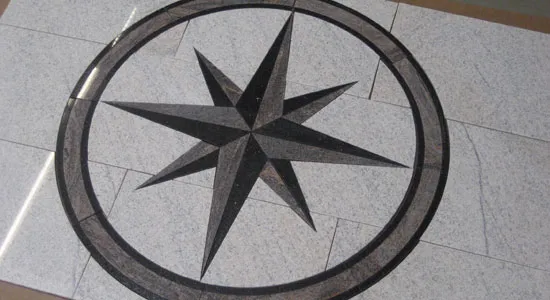
Produktionsbeispiel aus Stein
DescriptionFür weichen Sandstein bis hin zum härtesten Granit ist der Abrasivstrahl das einzige Werkzeug, mit dem sämtliche Geometrien erzeugt werden können.
Die für den Werkstoff unübliche Präzision von 0,1 mm erlaubt perfekte Intarsien und die passgenaue Kombination mit anderen Werkstoffen. Der Abrasivstrahl erlaubt präzises Schneiden von Natur- und Kunststeinen bis ca. 80 mm.
Darüber hinaus ist ein Trennen von Stein bis über 200 mm Materialdicke möglich.
7 / 7
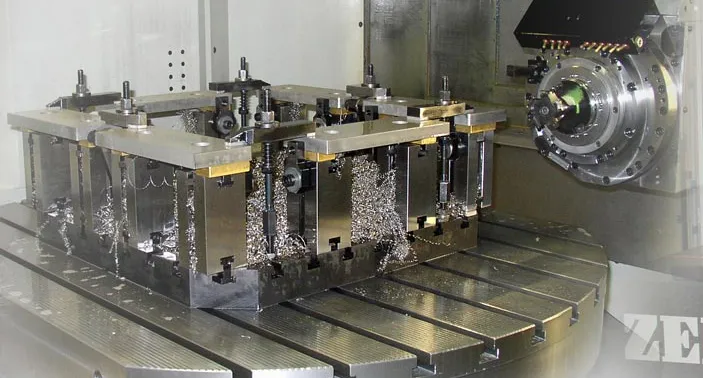
Dreh/Fräs - Beispiel
DescriptionDreh-/Fräsbearbeitung von Einzelteilen, Klein- oder Großserien.
Moderne Werkzeugmaschinen von namhaften Herstellern und qualifizierte Facharbeiter sind die Garanten für die Erfüllung Ihrer Fräsaufgaben. Auch im Bereich der herkömmlichen Spanabhebung stehen wir Ihnen mit vielen Bearbeitungsmöglichkeiten und unserem Know-how zur Verfügung.
Machinery (3)
1 / 3
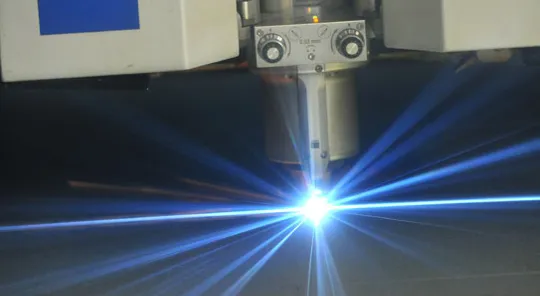
Laserschneiden
Manufacturer-
2 / 3
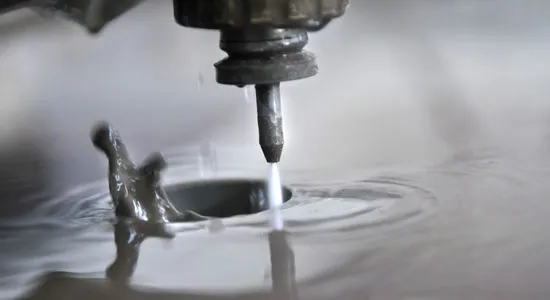
Wasserstrahlschneiden
Manufacturer-
3 / 3
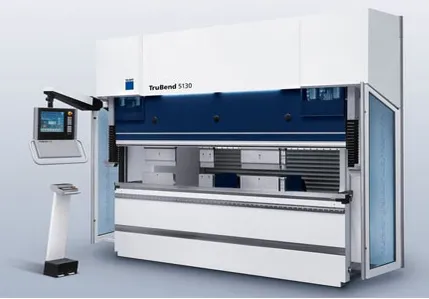
TruBend 5130
ManufacturerTrumpf
7 Parts
3 Machinery
Contact
Location
Main locationBronner Höhe 1, 88480 Achstetten-Bronnen, Germany
Further locationsWerk Bronnen
Bronner Höhe 1
88480 Achstetten-Bronnen
Tel. 07392 96808 0
Werk Eching
Gleiwitzer Straße 2a
85386 Eching
Tel. 089 3749948 0
Werk Straubing
Sennebogenstr. 2
94315 Straubing
Tel. 09421 78869 0
Bronner Höhe 1
88480 Achstetten-Bronnen
Tel. 07392 96808 0
Werk Eching
Gleiwitzer Straße 2a
85386 Eching
Tel. 089 3749948 0
Werk Straubing
Sennebogenstr. 2
94315 Straubing
Tel. 09421 78869 0
Company contact
Contact persons
MZ
Matthias Zengerle
Are you a supplier?
Find perfectly matching requests.
Are you a buyer?
Submit your request.